Malware
Содержание:
- Got malware? Get rid of it
- How to remove malware
- How do I remove spyware?
- Malware on Android
- Types of Trojans
- Who does malware target?
- How to protect against malware
- Trojanized apps on Android smartphones
- The future of antiviruses and security programs
- How can I tell if my Android device has malware?
- Which is the best recommended antimalware tool?
- How to characterize a Trojan
- Do Macs get malware?
- All about adware
- Полное описание
- Как защититься от Malware и хакеров
- Who do spyware authors target?
- Best free anti-malware protection:
- Новые возможности сканера Malwarebytes Anti-Malware в версии 3.0:
- What are the most common forms of malware?
- What do I do if infected?
- What’s the difference between antivirus and anti-malware?
- All about malware
Got malware? Get rid of it
Each form of malware has its own way of infecting and damaging computers and data, and so each one requires a different malware removal method. To get started, check out our tips for getting rid of viruses and removing malware.
That said, the best way to stay protected or remove an infection is to use anti-malware software, more commonly called an antivirus. The best malware removal tools are included in the most advanced antivirus, and even free ones like AVG AntiVirus FREE have all you need to stay safe from the most common threats.
Download AVG AntiVirus FREE
Get it for
Android,
iOS,
Mac
Download AVG AntiVirus FREE
Get it for
iOS,
Android,
PC
Install free AVG AntiVirus
Get it for
PC,
Mac,
iOS
Install free AVG Mobile Security
Get it for
Mac,
PC ,
Android
How to remove malware
Follow these three easy steps to remove malware from your device.
1. Download and install a good cybersecurity program. As it happens, Malwarebytes has programs for every platform we’ve discussed in this article: Windows, Mac, Android, and Chromebook.
2. Run a scan using your new program. Even if you don’t opt for Malwarebytes Premium, the free version of Malwarebytes is still great at removing malware. The free version, however, does not proactively stop threats from getting on your system in the first place.
If your iPhone or iPad is infected with malware (as improbable as that may be). Things are a little trickier. Apple does not permit scans of either the device’s system or other files, though Malwarebytes for iOS, for example, will screen and block scam calls and texts. Your only option is to wipe your phone with a factory reset, then restore it from your backup in iCloud or iTunes. If you didn’t backup your phone, then you’re starting over from scratch.
How do I remove spyware?
If your spyware infection is working as designed, it will be invisible unless you’re technically savvy enough to know exactly where to look. You could be infected and never know. But if you suspect spyware, here’s what to do.
- The first order of business is to make sure your system has been cleaned of any infection so that new passwords are not compromised. Get yourself a robust cybersecurity program with a reputation for aggressive spyware removal technology. Malwarebytes, for example, thoroughly cleans up spyware artifacts and repairs altered files and settings.
- After you have cleaned your system, think about contacting your financial institutions to warn of potential fraudulent activity. Depending on the compromised information on your infected machine, and especially if it is connected to a business or enterprise, you may be required by law to report breaches to law enforcement and/or make a public disclosure.
- If stolen information is sensitive in nature or involves the collection and transmission of images, audio, and/or video, you should contact local law-enforcement authorities to report potential violations of federal and state laws.
- One last thing: Many purveyors of identity theft protection advertise their services to monitor for fraudulent transactions, or to place a freeze on your credit account to prevent any form of activity. Activating a credit freeze is definitely a good idea. If you’re offered free identity theft monitoring as part of the settlement from a data breach, there’s no harm in signing up. However, Malwarebytes advises against purchasing identity theft protection.
“Many purveyors of identity theft protection advertise their services to monitor for fraudulent transactions…”
Malware on Android
PCs aren’t the only devices that get malware: any device that can connect to the internet is at risk, and that includes your Android phone. While you might not hear about them as much, Android attacks are on the rise, with phishing websites, fake apps, and unofficial app stores being the main distributors of dangerous software.
Android malware, much like PC malware, can do any number of things and cause all kinds of damage. There are viruses, ransomware, botnets, and trojans, spyware, and more: just what you’d expect in this era of smart devices!
Fortunately, if a device can be attacked, it can also be secured, and Android phones are no exception. Download a free Android antivirus like AVG AntiVirus for Android to make sure your phone is protected against anything and everything that might threaten it online.
Types of Trojans
Trojans are versatile and very popular, so it’s difficult to characterize every kind. That said, most Trojans are designed to take control of a user’s computer, steal data, spy on users, or insert more malware on to a victim’s computer. Here are some common threats that come from Trojan attacks:
- Backdoors, which create remote access to your system. This kind of malware changes your security to allow the hacker to control the device, steal your data, and even download more malware.
- Spyware, which watches as you access online accounts or enter your credit card details. They then transmit your passwords and other identifying data back to the hacker.
- Zombifying Trojans, which take control of your computer to make it a slave in a network under the hacker’s control. This is the first step in creating a botnet (robot + network), which is often used to perform a distributed denial-of-service (DDoS) attack designed to take down a network by flooding it with traffic.
- Downloader Trojans, Emotet being a good example, download and deploy other malicious modules, such as ransomware or keyloggers.
Dialer Trojans, which might seem anachronistic since we don’t use dial-up modems any longer. But more on this in the next section.
Who does malware target?
The answer here is: Take your pick. There are billions of consumer-owned devices out there. They’re connected to banks, retail store accounts, and anything else worth stealing. It’s a broad attack surface for adware and spyware, keyloggers, and malvertising—as well as an attractive method for lazy criminals to create and distribute malware to as many targets as possible, with proportionately little effort.
“If you use your smartphone or tablet in the workplace, hackers can turn their attack to your employer.”
While not currently popular with cybercriminals, cryptominers seem to be equal opportunity about their targets, going after both individuals and businesses. Ransomware, on the other hand, targets businesses, hospitals, municipalities, and retail store systems in disproportionately greater numbers than consumers.
To repeat, not all of the apps available through Apple’s App Store and Google Play are desirable and the problem is even more acute with third-party app stores. While the app store operators try to prevent malicious apps from penetrating their site, some inevitably slip through. These apps can steal user information, attempt to extort money from users, try to access corporate networks to which the device is connected, and force users to view unwanted ads or engage in other types of unsanitary activity.
How to protect against malware
In no particular order, here’s our tips on protecting against malware.
1. Pay attention to the domain and be wary if the site isn’t a top-level domain, i.e., com, mil, net, org, edu, or biz, to name a few.
2. Use strong passwords with multi-factor authentication. A password manager can be a big help here.
3. Avoid clicking on pop-up ads while browsing the Internet.
6. Don’t download software from untrustworthy websites or peer-to-peer file transfer networks.
7. Stick to official apps from Google Play and Apple’s App Store on Android, OSX, and iOS (and don’t jailbreak your phone). PC users should check the ratings and reviews before installing any software.
8. Make sure your operating system, browsers, and plugins are patched and up to date.
9. Delete any programs you don’t use anymore.
10. Back up your data regularly. If your files become damaged, encrypted, or otherwise inaccessible, you’ll be covered.
11. Download and install a cybersecurity program that actively scans and blocks threats from getting on your device. Malwarebytes, for example, offers proactive cybersecurity programs for Windows, Mac, Android, and Chromebook. Plus, our latest offering, Malwarebytes Browser Guard. It’s free and it’s the only browser extension that can stop tech support scams along with any other unsafe and unwanted content that comes at you through your browser.
Trojanized apps on Android smartphones
Trojans aren’t just a problem for laptops and desktops. They attack mobile devices as well, which makes sense given the tempting target presented by the billions of phones in use.
As with computers, the Trojan presents itself as a legitimate program, although it’s actually a fake version of the app full of malware.
Such Trojans usually lurk on unofficial and pirate app markets, enticing users to download them. The Trojans run the full gamut of mischief, infecting the phone with ads and keyloggers, which can steal information. Dialer Trojans can even generate revenue by sending out premium SMS texts.
“Browser extension add-ons can act as Trojans as well….”
Android users have been the victims of Trojanized apps even from Google Play, which is constantly scanning and purging weaponized apps (many times after the Trojan’s discovery). Browser extension add-ons can act as Trojans as well, since it’s a payload capable of carrying embedded bad code.
While Google can remove browser add-ons from computers, on phones the Trojans can place transparent icons on the screen. It’s invisible to the user, but nonetheless reacts to a finger touch to launch its malware.
The future of antiviruses and security programs
Artificial intelligence (AI) and machine learning (ML) are the latest stars in the top antivirus and anti-malware technology.
AI allows machines to perform tasks for which they are not specifically pre-programmed. AI does not blindly execute a limited set of commands. Rather, AI uses “intelligence” to analyze a situation, and take action for a given goal such as identifying signs of ransomware activity. ML is programming that’s capable of recognizing patterns in new data, then classifying the data in ways that teach the machine how to learn.
Put another way, AI focuses on building smart machines, while ML uses algorithms that allow the machines to learn from experience. Both these technologies are a perfect fit for cybersecurity, especially since the number and variety of threats coming in every day are too overwhelming for signature-based methods or other manual measures. Both AI and ML are still in developmental phases, but they hold immense promise.
In fact, at Malwarebytes, we already use a machine-learning component that detects malware that’s never been seen before in the wild, also known as zero-days or zero-hours. Other components of our software perform behavior-based, heuristic detections—meaning they may not recognize a particular code as malicious, but they have determined that a file or website is acting in a way that it shouldn’t. This tech is based on AI/ML and is available to our users both with top antivirus protection and an on-demand scanner.
In the case of business IT professionals with multiple endpoints to secure, the heuristic approach is especially important. We never know the next big malware threat, so heuristics play an important role in Malwarebytes Endpoint Protection, as does AI and ML. Together, they create multiple layers of antivirus protection that address all stages of the attack chain for both known and unknown threats.
How can I tell if my Android device has malware?
There are a few unmistakable signs your Android phone is infected. That said, you may be infected if you see any of the following.
- A sudden appearance of pop-ups with invasive advertisements. If they appear out of nowhere and send you to sketchy websites, you’ve probably installed something that hides adware within it. It suffices to say—don’t click on these ads.
- A puzzling increase in data usage. Malware chews up your data plan by displaying ads and sending out the purloined information from your phone.
- Bogus charges on your bill. This happens when malicious software makes calls and sends texts to premium numbers.
- Your battery runs down quickly. Malware is a resource burden, gulping down your battery’s juice faster than normal.
- Your contacts receive strange emails and texts from your phone. Mobile malware often spreads from one device to another by means of emails and texts containing malicious links.
- Your phone is hot. A phone generally means the processor is being taxed by a lot of resource intensive activity. Malware? Possibly. The Loapi Trojan can push the processor to the point of overheating the phone, which makes the battery bulge, leaving your phone for dead.
- Apps you didn’t download. Sometimes you download seemingly legitimate apps that have malware buried in the code. This malware, in turn, downloads other malicious apps. It helps to stick to trusted apps from known sources, but even the Google Play store itself has dozens of malicious apps sneak through every year.
- Wi-Fi and Internet connections turn themselves on. This is another way malware propagates, ignoring your preferences and opening up infection channels.
Which is the best recommended antimalware tool?
Though there are lots of antimalware or antivirus tools available in to the market. But we can’t trust anyone blindly as there some tools which looks legitimate but actually shows you fake scanning and virus found warnings to sale tech support to the innocence users. That is why I have listed here only the verified tools after doing a lot of research on many antimalware software. All the above listed tools are equally good. But as every software is made differently then they could show slightly difference results. Otherwise the main difference is in the premium features. Show choose as per your requirement. As per my recommendation Malwarebytes is looks more promising and it is my own honest opinion.
How to characterize a Trojan
People sometimes think of a Trojan as a virus or a worm, but it is really neither. A virus is a file infector which can self-replicate and spread by attaching itself to another program. Worms are a type of malware similar to viruses, but they don’t need to be attached to another program in order to spread. Most viruses are now seen as legacy threats. Worms have also become rare, though they do pop up from time to time.
“A Trojan can be like a Swiss Army knife of hacking.”
Think of Trojans as an umbrella term for malware delivery, because there are various kinds of Trojans. Depending on the criminal programmer’s intent, a Trojan can be like a Swiss Army knife of hacking—acting as a bit of standalone malware, or as a tool for other activities, such as delivering future payloads, communicating with the hacker at a later time, or opening up the system to attacks just as the Greek soldiers did from inside the Trojan fortress.
Put another way, a Trojan is a delivery strategy that hackers use to deliver any number of threats, from ransomware that immediately demands money, to spyware that conceals itself while it steals valuable information like personal and financial data.
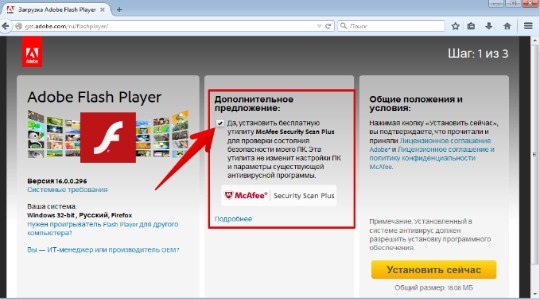
Keep in mind that adware or PUPs (potentially unwanted programs) can be confused with Trojans because the delivery method is similar. For example, sometimes adware sneaks onto your computer as part of a bundle of software. You think you’re downloading one piece of software, but it’s really two or three. The program authors usually include the adware for marketing affiliate reasons so they can monetize their installer with offers—usually clearly labeled. Such adware bundlers are typically less malicious than Trojans. Also, they do not conceal themselves as Trojans do. But since the adware distribution vector resembles that of a Trojan, it can cause confusion.
Do Macs get malware?
Conventional wisdom has sometimes held that Macs and iPads are immune to catching viruses (and don’t need an antivirus). For the most part, that’s true. At the very least, it hasn’t happened in a long time.
“Mac systems are subject to the same vulnerabilities (and subsequent symptoms of infection) as Windows machines and cannot be considered bulletproof.”
Other kinds of malware are a different story. Mac systems are subject to the same vulnerabilities (and subsequent symptoms of infection) as Windows machines and cannot be considered bulletproof. For instance, the Mac’s built-in protection against malware doesn’t block all the adware and spyware bundled with fraudulent application downloads. Trojans and keyloggers are also threats. The first detection of ransomware for Macs occurred in March 2016, when a Trojan-delivered attack affected more than 7,000 Mac users.
In fact, Malwarebytes saw more Mac malware in 2017 than in any previous year. By the end of 2017, the number of new unique threats that our professionals counted on the Mac platform was more than 270 percent higher compared to the number noted in 2016.
Read more about the state of. Mac antivirus and anti-malware.
All about adware
Here’s how it happens. You go online with your nice, well-behaved browser, only to see it fly into a virtual
tantrum, as an onslaught of advertisements either pops up, slides in from the side, or otherwise inserts itself to
interrupt and even redirect your intended activity. And no matter how much you click to close those windows, they
keep buzzing you like flies at a picnic.
That bothersome phenomenon results from adware, short for advertising supported software. And just as your picnic
food attracts the pests that come after it, money—or the revenue generated by unbidden ads—is what draws adware to
your PC or mobile device. Below, we offer a short primer on adware, what it is, how you get it, what it tries to do
to you, how to deal with it, and what to do in the future to avoid this irritant.
Полное описание
Пользуясь программой Malwarebytes Anti-Malware, можно обеспечить надлежащий уровень средств защиты для вашего компьютера от всевозможных видов вредоносного ПО. Программа блокирует сотни самых опасных троянов, руткитов, вредоносных веб-сайтов. Вы останетесь довольны скоростью работы утилиты, а также возможностью оперативно формировать список игнорирования при подготовке к сканированию.
После завершения диагностики ОС, Malwarebytes Anti Malware выведет подробную информацию о результатах проведенной работы, вы сможете вручную удалять любые подозрительные программы, троянсские модули и пр., либо выполнить автоматическую очистку. Последняя версия позволяет использовать преимущество двух режимов сканирования, а также указывать требуемый диск для проверки. Использовать командную строку и прочие неудобные средства управления не придется. Разработчики сделали не только удобный пользовательский интерфейс, но и реализовали интеграцию в контекстное меню ОС персонального компьютера.
Как защититься от Malware и хакеров
Чтобы «не попасться на удочку» хакеров нужно следовать хотя бы базовым правилам безопасности в сети. Первым делом убедитесь, что компьютер защищён антивирусной программой. В последнее время активно развивается и получает многочисленные награды за скорость работы и эффективность обнаружения угроз антивирус Malwarebytes, отзывы о нем вы найдете по этой ссылке. Стоит отметить, что ПО Malwarebytes также сканирует на потенциально нежелательные приложения (PUP) и потенциально нежелательную модификацию (PUM), правда это требует дополнительных ресурсов процессора.
Веб-сайты, при посещении, проверяются на наличие вредоносных скриптов даже без установки дополнительных расширений в браузер. Хотя и в Windows 10 уже встроен приличный антивирус Windows Defender, но для улучшенной защиты, а также для Windows XP/7/8.1, лучше установить дополнительную защиту.
Включайте брандмауэр, хотя бы встроенный в Windows 7/8/10. Брандмауэр закрывает порты, чтобы хакеры «не увидели» компьютер в сети и не смогли получить доступ к уязвимостям. Большинство антивирусного ПО имеют собственный продвинутый брандмауэр и заменяют им встроенный в Windows. Даже на настройках «по умолчанию» брандмауэр надёжно защищает компьютер от сетевых атак.
Устанавливайте обновления ОС Windows, особенно касающиеся безопасности, и другого используемого ПО. Думайте головой, не кликайте по зазывающим заголовкам на неизвестных вам сайтах, и особенно в электронных письмах, скачивайте программы только с официальных источников, не вставляйте в компьютер чужие флешки без включённого антивируса, не высылайте пароли по требованию «администрации сайта» и будете в безопасности.
Unlike some other types of malware, spyware authors do not really target specific groups or people. Instead, most spyware attacks cast a wide net to collect as many potential victims as possible. And that makes everyone a spyware target, as even the slightest bit of information might find a buyer.
“Spyware attacks cast a wide net to collect as many potential victims as possible.”
Information obtained through stolen documents, pictures, video, or other digital items can even be used for extortion purposes.
So, at the end of the day, no one is immune from spyware attacks, and attackers usually care little about whom they are infecting, as opposed to what they are after.
Best free anti-malware protection:
(Image credit: Bitdefender)
1. Bitdefender Antivirus Free Edition
Best free anti-malware for your PC
+User-friendly+Clean and simple interface
Reasons to avoid
-No options or settings
is the strong, silent type. This anti-malware software doesn’t even ask questions when you install it – it just quietly gets on with the job of identifying and eliminating anything that poses a risk to your safety and security.
It watches out for apps behaving badly, scans links on the web to identify scams, and has proactive malware and spyware scanning that can detect threats nobody has encountered before. Plus the app boasts boot scanning every time you start your PC.
Ad-free, nag-free and hassle-free, Bitdefender Antivirus Free Edition is a great product that runs quickly and silently while you get on with something more interesting.
Its comprehensive suite of tools to protect your PC makes Bitdefender the best free anti-malware software you can download today. It’s all the protection you need in one handy package.
Read our full Bitdefender Antivirus Free Edition review.
(Image credit: Avira)
2. Avira Free Security Suite
Powerful protection against malware
+Software updater+PC optimizer+VPN Included+Free
Reasons to avoid
-No anti-ransomware
The provides one of the most comprehensive free security packages available on the internet.
As well as providing the standard anti-virus protection, the Avira Free security suite also provides a software updater, as well as scanning your network for vulnerabilities and helps you fix them.
There are also safe browsing and safe shopping options, as well as a system optimizer to speed up your PC which is normally charged for in other packages.
If that’s not enough there’s also a free VPN included for up to 500MB per month, as well as a password manager and privacy settings manager.
However, you actually have a choice of which features you want to install. This is a great plus as while the Avira suite is generous some users may want to run one or more features through a different suite.
There is an upgrade option, of course, but this is priced toward installation across 5, or 25 devices, and involves such features such as removing the VPN limit.
If there’s one negative, it’s that there’s no anti-ransomware protection, but aside from that the Avira Free Security Suite is a very generous package indeed.
Read our full Avira antivirus review.
(Image credit: AVG)
3. AVG AntiVirus Free
Another good defense against malware
+Quite configurable+Great track record of malware protection
Reasons to avoid
-Scans can be rather slow-Not the best phishing protection
If you’re looking for anti-malware software that keeps quiet and won’t disturb your work, be warned – is quite vocal with its notifications, and irks us from time to time with pop-ups telling us we’ve done something fantastic with regard to our online safety.
As an anti-malware app, though, it’s very good. The dashboard is user-friendly, there’s protection not just from downloadable threats, but from dodgy links too, and you can use your mobile to scan your PC remotely, which is pretty clever.
The paid-for Pro model has more security options — it has more robust download protection, offers data encryption includes a firewall — but the free version offers decent protection for most PC users.
Read our full AVG Antivirus Free review.
(Image credit: Spybot Search and Destroy)
4. SpyBot Search & Destroy
An established tool against malware infection
+Easy to use+Immunization tools
Reasons to avoid
-Limited information about threats
It’s more of a system repair tool than a system protection tool, however, and you need to be careful where you get it from: there are fake versions in circulation designed to cause damage, not fix it. The version linked here is the real deal.
Read our full Spybot Search & Destroy review.
(Image credit: Emsisoft)
5. Emsisoft Emergency Kit
Reasons to avoid
-Not as effective as resident tools
Most security software tries to stop malware and spyware getting onto your system. doesn’t: it’s the 911 call of security software, the app you use when your PC’s been poked by something unpleasant.
It’s designed to be portable – an anti-malware app you carry around with you on a USB stick – and its system requirements are tiny: just 200MB of RAM, so it’ll run happily on any PC with 1GB memory or more. With two million malware signatures, Emsisoft Emergency Kit can restore almost any infected PC to rude health.
Read our full Emsisoft Emergency Kit review.
Новые возможности сканера Malwarebytes Anti-Malware в версии 3.0:
- • значительно переформатирован пользовательский интерфейс, включая и основную панель управления, которая содержит все сведения относительно основных механизмов программы и качества их работы;
- • оперативная проверка Quick Scan превратилось в рекомендованный тип сканирования Threat Scan;
- • в версии Premium встроен драйвер Malwarebytes Chameleon, который предназначен для поддержания самозащиты, доступ к нему открыт в настройках Advanced Settings;
- • в сканер поиска вирусов встроен Malwarebytes Anti-Rootkit, который можно выставить в настройках Detection and Protection;
- • обновленный, развернутый защитный механизм от сомнительных интернет-сайтов, адаптированный под взаимодействие с Windows Vista Service Pack 2 и далее (обеспечивает максимальную эффективность, встроена функция остановки процессов, к примеру, торрент-клиентов, ручная блокировка IP-адресов и URL-ов по имени домена);
- • нативное х64 сканирование местоположения в системе, поиск и ликвидация вредного ПО.
Производительность / Защита
- Добавлена бессигнатурная защита от эксплойтов и программ-вымогателей (только для Premium).
- Скорость антивирусного сканирования возросла до 4-ех раз, включая быструю проверку.
- Убраны необязательные перезагрузки после удаления некоторых угроз.
- Эвристический движок Advanced Heuristic Engine (Shuriken) теперь включен по умолчанию.
- Самозащита теперь включена по умолчанию (только для Premium)
Удобство использования
- Обновленный пользовательский интерфейс для улучшения стабильности.
- Теперь MBAM настраивается для интеграции в Центр действий Windows / Центр безопасности Windows (только для Premium).
- Проверка обновлений выполняется автоматически, так что теперь нет необходимости настраивать планировщик задач.
- Улучшенная поддержка навигации с помощью клавиатуры и экранных дикторов.
Возможности лечащей утилиты Malwarebytes:
- • Проверка антивирусом без установки
- • возможность «Быстрого сканирования», обеспечивающая защиту критических зон операционки;
- • сканирование всех носителей для обеспечения всеохватывающей проверки;
- • обновление антивирусных баз для оперативной защиты от вирусов каждый день;
- • интеллектуальный поиск, позволяющий выявить даже самые стойкие опасности без нагрузки на ресурсы системы;
- • возможность создания черного списка для защитных и проверочных модулей;
- • дополнительный перечень программ для ручного удаления вредного ПО (FileAssassin, Malwarebytes Anti-Rootkit, Chameleon, StartupLite);
- • эффективный инструмент Malwarebytes Chameleon, который позволяет активизировать Malwarebytes Anti-Malware, в те моменты, когда его блокируют вирусы;
- • поддержка как старых версий виндовс (таких как win XP), так и новой windows 8.1
- • поддержка большого числа языков — в том числе и русского.
- • встраивание в состав контекстного меню для того, чтобы оперативно проверять файлы.
What are the most common forms of malware?
Here are the most common offenders in the rogues’ gallery of malware:
- Adware is unwanted software designed to throw advertisements up on your screen, most often within a web browser. Typically, it uses an underhanded method to either disguise itself as legitimate, or piggyback on another program to trick you into installing it on your PC, tablet, or mobile device.
- Spyware is malware that secretly observes the computer user’s activities without permission and reports it to the software’s author.
- A virus is malware that attaches to another program and, when executed—usually inadvertently by the user—replicates itself by modifying other computer programs and infecting them with its own bits of code.
- Worms are a type of malware similar to viruses. Like viruses, worms are self-replicating. The big difference is that worms can spread across systems on their own, whereas viruses need some sort of action from a user in order to initiate the infection.
- A Trojan, or Trojan horse, is one of the most dangerous malware types. It usually represents itself as something useful in order to trick you. Once it’s on your system, the attackers behind the Trojan gain unauthorized access to the affected computer. From there, Trojans can be used to steal financial information or install other forms of malware, often ransomware.
- Ransomware is a form of malware that locks you out of your device and/or encrypts your files, then forces you to pay a ransom to regain access. Ransomware has been called the cybercriminal’s weapon of choice because it demands a quick, profitable payment in hard-to-trace cryptocurrency. The code behind ransomware is easy to obtain through online criminal marketplaces and defending against it is very difficult. While ransomware attacks on individual consumers are down at the moment, attacks on businesses are up 365 percent for 2019. As an example, the Ryuk ransomware specifically targets high-profile organizations that are more likely to pay out large ransoms. For more, check out the Malwarebytes Labs Ransomware Retrospective.
- Rootkit is a form of malware that provides the attacker with administrator privileges on the infected system, also known as “root” access. Typically, it is also designed to stay hidden from the user, other software on the system, and the operating system itself.
- A keylogger is malware that records all the user’s keystrokes on the keyboard, typically storing the gathered information and sending it to the attacker, who is seeking sensitive information like usernames, passwords, or credit card details.
- Malicious cryptomining, also sometimes called drive-by mining or cryptojacking, is an increasingly prevalent malware usually installed by a Trojan. It allows someone else to use your computer to mine cryptocurrency like Bitcoin or Monero. So instead of letting you cash in on your own computer’s horsepower, the cryptominers send the collected coins into their own account and not yours. Essentially, a malicious cryptominer is stealing your resources to make money.
- Exploits are a type of malware that takes advantage of bugs and vulnerabilities in a system in order to give the attacker access to your system. While there, the attacker might steal your data or drop some form of malware. A zero-day exploit refers to a software vulnerability for which there is currently no available defense or fix.
What do I do if infected?
If you suspect adware has compromised your Mac or Windows PC, there are a few steps you can take to remedy the
infection. First, back up your files, regularly. You can try to remove the adware through the pertinent utility on
your operating system (i.e., Add/Remove on the Windows platform). But this requires that you can identify the
adware program’s name, or that the adware doesn’t have a Resuscitator, which are files designed to
bring a program back to life after an uninstall.
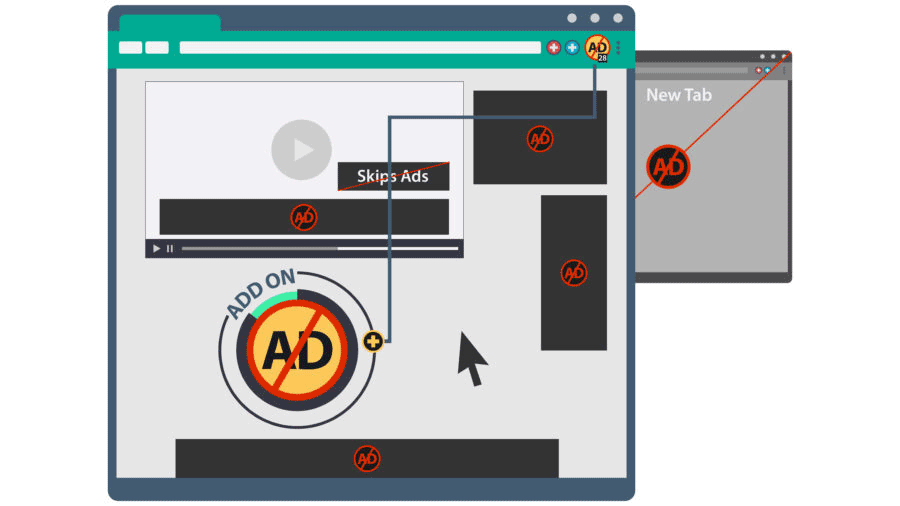
“For a deeper dive, read How to remove adware from your PC and How to remove adware from your Mac over at Malwarebytes Labs. ”
What’s the difference between antivirus and anti-malware?
For the most part, antivirus software and anti-malware software are the same things. They both refer to computer security software designed to detect, protect against, and remove malicious software. Contrary to what the name might suggest, antivirus software protects against more than viruses — it just uses a slightly antiquated name to describe what it does.
Anti-malware software is also designed to protect against viruses; it just uses a more modern name that encompasses all kinds of malicious software, including viruses. That being said, anti-malware can stop an online viral infection from happening and remove infected files. However, anti-malware isn’t necessarily equipped to restore files that have been changed or replaced by a virus. Both antivirus software and anti-malware fall under the broader term «cybersecurity.”
All about malware
You know how every year the medical community campaigns for everyone to get a flu shot? That’s because flu outbreaks typically have a season—a time of year when they start spreading and infecting people.
In contrast, there are no predictable seasonal infections for PCs, smartphones, tablets, and enterprise networks. For them, it’s always flu season. But instead of suffering chills and body aches, users can fall ill from a kind of machine malady—malware.
Each type of malware infection has its own methods of attack—from stealthy and sneaky to subtle like a sledgehammer. But if knowledge is power, as a preventative inoculation against infection, we offer here a short cybersecurity course on malware, what it is, its symptoms, how you get it, how to deal with it, and how to avoid it in the future.